
The Living Tradition of South African Ceramics
Where ancestral wisdom meets earthen artistry. Each vessel carries centuries of heritage, shaped by hands that understand the language of clay.
Explore Our Craft
Where ancestral wisdom meets earthen artistry. Each vessel carries centuries of heritage, shaped by hands that understand the language of clay.
Explore Our CraftFor generations, the potters of Southern Africa have transformed raw earth into vessels of profound cultural significance. Their techniques, passed from elder to apprentice, represent an unbroken chain of artistic knowledge stretching back millennia.
The clay pits of KwaZulu-Natal and the Eastern Cape have yielded their treasures to artisans who understand that pottery is far more than functional craft. In the careful coiling of clay and the deliberate placement of decorative marks, entire histories are encoded and preserved.
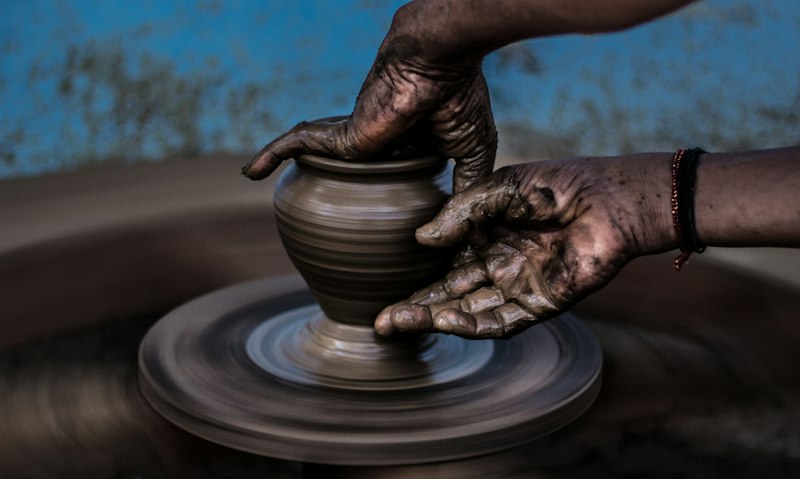
Unlike wheel-thrown ceramics from other traditions, South African pottery relies primarily on hand-building methods. The coiling technique, where ropes of clay are stacked and smoothed into form, allows for shapes that would be impossible on a spinning wheel. Burnishing with smooth stones creates the characteristic sheen that distinguishes these works.
Every line incised into unfired clay carries significance. Geometric patterns serve as visual languages, communicating clan identity, social status, and spiritual beliefs. The amasumpa raised dots found on Zulu beer pots reference the body scarification practices that once marked important life transitions.
The ukhamba, the traditional Zulu beer pot, demonstrates how form follows function in African ceramic design. Its wide belly provides surface area for fermentation, while the narrow neck prevents contamination. The blackened interior, achieved through specific firing techniques, contributes to the flavour profile of the traditional sorghum beer brewed within.
Water vessels take different forms entirely, designed for transport and cooling. Their porous surfaces allow slow evaporation, keeping contents cool even under the fierce African sun. Such practical wisdom, developed over countless generations, represents engineering solutions of remarkable elegance.
Working with leaf-mink opened my eyes to the depth of ceramic tradition in our region. The workshops connected me not just with techniques, but with the stories and meanings behind every form. My practice has been transformed.
Workshop Participant, Durban
The decorative techniques employed by South African potters constitute a sophisticated visual language. Incising, the cutting of lines into leather-hard clay, creates graphic patterns that catch light and shadow. Impressed decorations, made with cords, shells, or carved stamps, add texture and rhythm to surfaces.
Perhaps most distinctive is the practice of colour application. Natural pigments derived from ochre, graphite, and plant materials are applied in specific patterns, each colour carrying its own associations. Red ochre connects to life force and vitality; white kaolin suggests purity and ancestral connection; black graphite speaks of transformation and mystery.
Whether you seek to learn these ancient techniques, commission authentic pieces, or simply understand more deeply the ceramic heritage of Southern Africa, we invite you to begin your journey with us.
View Our ServicesThe transformation of clay into ceramic occurs through fire, and South African potters have developed firing techniques uniquely suited to local conditions and materials. Open-pit firing, where vessels are surrounded by combustible materials and burned in outdoor settings, produces the characteristic colour variations prized in traditional work.
The reduction atmosphere created when fires are smothered with dung or ash produces the deep blacks and varied greys that distinguish certain regional styles. Control of this process requires intimate knowledge passed through apprenticeship, where young potters learn to read the signs of temperature and atmosphere.

We offer comprehensive engagement with South African ceramic traditions, from hands-on learning to curated collections.
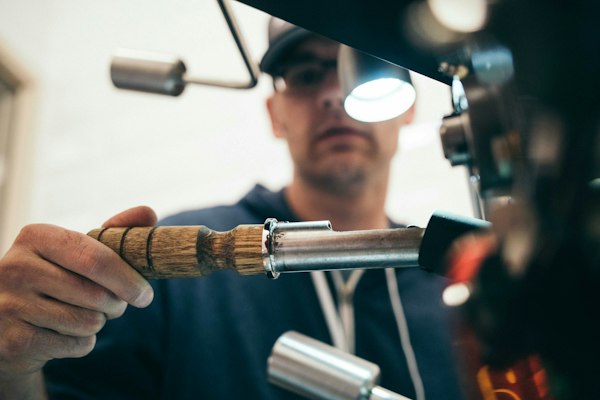
Immersive sessions covering coiling, burnishing, and decorative methods authentic to South African ceramic heritage.

Collaborate with master potters to create pieces reflecting your vision within traditional aesthetic frameworks.
Select a service and share your details to start exploring South African ceramic traditions.
The information provided on this website is for general educational purposes and does not constitute professional artistic or historical advice. Individual experiences with ceramic techniques may vary. We recommend consulting with cultural heritage specialists for specific preservation or authentication needs. This content reflects our current understanding and may be updated as research evolves.